Welcome to the trucking side of DTG. A place built for the men and women who keep the world moving.
Whether you’re clocking long motorway miles, working irregular hours, or grabbing rest wherever you can, this space is designed with your lifestyle in mind. Here you’ll find practical insights, health and mobility support, and straight-talk guidance to help you stay comfortable, focused, and strong on the road — so you can enjoy the journey today and still feel good when the engine finally stops.


For Truckers Who Need A Little Help!
🚛 Trucking Gems From One Driver To Another!
Trucking is more than just moving freight from A to B. It's early mornings, late nights, changing weather, long hours behind the wheel, and the pride that comes from delivering safely and professionally.
I've spent years on the road and, like most drivers, I've learned plenty of lessons along the way. Some came from experienced drivers willing to share their knowledge, while others came through experience itself. Every mile teaches you something if you're prepared to learn.
Every Saturday I'll share one simple trucking tip to help make life on the road a little easier. They won't be complicated, and they certainly won't tell you how to do a job you already know. Instead, they're practical reminders about safety, professionalism, health, and the small habits that help protect both your licence and your livelihood.
Whether you've just started your driving career or you've been behind the wheel for decades, I hope these weekly tips give you something useful to take with you on your next journey.
Drive safe. Stay professional. And always remember... every journey starts with the right mindset.
Dale

🚛Trucking Tip #1.
From One Driver to Another
1. Keep your body moving, even when the wheels stop.
You don’t need a gym membership. A walk around the truck, a stretch by the trailer, or a few shoulder rolls at fuel stops will keep the stiffness from setting in. Lock up now, or pay for it later.

🚛Trucking Tip #2.
From One Driver to Another
2. Look after your joints like you look after your truck.
You wouldn’t ignore a warning light — don’t ignore the aches. Hydration, movement, and a bit of daily care go a long way toward keeping you driving strong for years.

🚛Trucking Tip #3.
From One Driver to Another
3. Sleep isn’t lazy, it’s part of the job.
Tired drivers make mistakes. A decent night’s rest keeps your reactions sharp and your temper steady. No load is worth burning yourself out.

🚛Trucking Tip #4.
From One Driver to Another
4. Eat smart, not heavy.
Big greasy meals feel good for five minutes and bad for five hours. Steady fuel keeps you alert and stops the mid-shift slump.

🚛Trucking Tip #5.
From One Driver to Another
5. Pass the knowledge on.
Every driver’s picked up tricks over the years. Share what works. This road’s easier when we look out for each other.

🚛Trucking Tip #6.
From One Driver to Another
6. Don’t Rush the First Hour
How you start the day sets the tone. Ease into that first hour, get your body moving, and let your head settle. A calm start beats a fast one every time.
🚛Trucking Tip #7.
From One Driver to Another
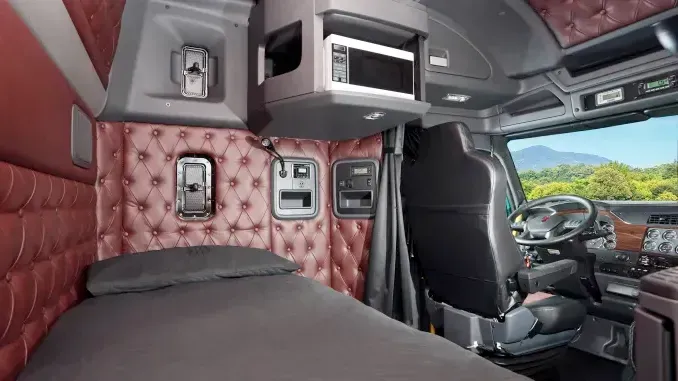
7. Cab Comfort Matters.
Seat height, mirrors, steering position — get them right. Small adjustments save your back, neck, and shoulders over thousands of miles.

🚛Trucking Tip #8.
From One Driver to Another
8. Water Before Coffee.
Coffee wakes you up, water keeps you going. Start the day hydrated and you’ll feel sharper, looser, and less drained by mid-shift.

🚛Trucking Tip #9.
From One Driver to Another
9. Pain Is Information.
Aches aren’t weakness, they’re messages. Listen early, move a bit more, and don’t let small problems turn into big ones.

🚛Trucking Tip #10.
From One Driver to Another
10. Slow Down to Stay Sharp.
Rushing costs more time than it saves. Smooth driving keeps stress down, fuel use steady, and your body far more relaxed at the end of the day.

🚛Trucking Tip #11.
From One Driver to Another
11. Build a Shutdown Routine.
End your day the same way each time — stretch, hydrate, wind down. Your body learns when it’s time to recover, and sleep comes easier.

🚛Trucking Tip #12.
From One Driver to Another
12. Strength Isn’t Just Muscle
Mental fatigue hits hard on long runs. Clear thinking, patience, and calm decision-making are just as important as physical strength.

🚛Trucking Tip #13.
From One Driver to Another
13. Longevity Is the Real Goal
Anyone can grind for a year. The smart drivers are still comfortable ten years in. Think long-term and drive like you want to keep doing this.

🚛Trucking Tip #14.
From One Driver to Another
14. Check Yourself Before the Shift
A quick stretch and a mental reset before you start can change the whole day. Start steady, not rushed.

🚛Trucking Tip #15.
From One Driver to Another
15. Mirrors Are Your Early Warning System
Use them constantly, not occasionally. Awareness beats reaction every time.

🚛Trucking Tip #16.
From One Driver to Another
16. Don’t Fight the Clock
Traffic, delays, weather, some things are out of your hands. Stay calm and control what you can. Even if it means taking a night out.

🚛Trucking Tip #17.
From One Driver to Another
17. Protect Your Lower Back
Climb down facing the cab, 3 points of contact, do not jump out. Small habits protect you long-term.

🚛Trucking Tip #18.
From One Driver to Another
18. Keep Emotions Out of the Cab
Anger and frustration cloud judgment. Professional drivers stay measured.

🚛Trucking Tip #19.
From One Driver to Another
19. Stretch at Every Stop
Two minutes of movement is better than none. Your hips and shoulders will thank you later.

🚛Trucking Tip #20.
From One Driver to Another
20. Plan Rest Before You Need It
Don’t wait until you’re exhausted. Build rest into your route thinking.

🚛Trucking Tip #21.
From One Driver to Another
21. Smooth Inputs Save Fuel and Fatigue
Gentle steering, steady acceleration, controlled braking — easier on the truck and your body.

🚛Trucking Tip #22.
From One Driver to Another
22. Respect Bad Weather Early
Slow down before conditions force you to. Defensive driving keeps you alive.

🚛Trucking Tip #23.
From One Driver to Another
23. Stay Curious, Not Complacent
Experience is powerful, but overconfidence creeps in quietly. Stay sharp.

🚛Trucking Tip #24.
From One Driver to Another
24. Look Beyond the Bonnet
Scan far ahead, not just the vehicle in front. Anticipation reduces stress.

🚛Trucking Tip #25.
From One Driver to Another
25. Protect Your Neck and Shoulders
Adjust seating and avoid constant twisting. Long hours amplify small strains.

🚛Trucking Tip #26.
From One Driver to Another
26. Check Your Mood Before You Move
Your mindset drives before the truck does. Start calm.

🚛Trucking Tip #27.
From One Driver to Another
27. Scan the Road, Not Just the Lanes
Look for patterns — brake lights ahead, merging traffic, changing conditions.

🚛Trucking Tip #28.
From One Driver to Another
28. Secure the Load, Then Secure Your Focus
Don’t rush away distracted. A clear head is part of load safety.

🚛Trucking Tip #29.
From One Driver to Another
29. Respect the Blind Spots
Yours and theirs. Assume others don’t see you.

🚛Trucking Tip #30.
From One Driver to Another
30. Don’t Chase Time
Speed rarely makes up delays. Smooth and steady wins the day.
🚛Trucking Tip #31.
From One Driver to Another
31. Keep a Clean Cab
Clutter increases stress. Order improves focus.
🚛Trucking Tip #32.
From One Driver to Another
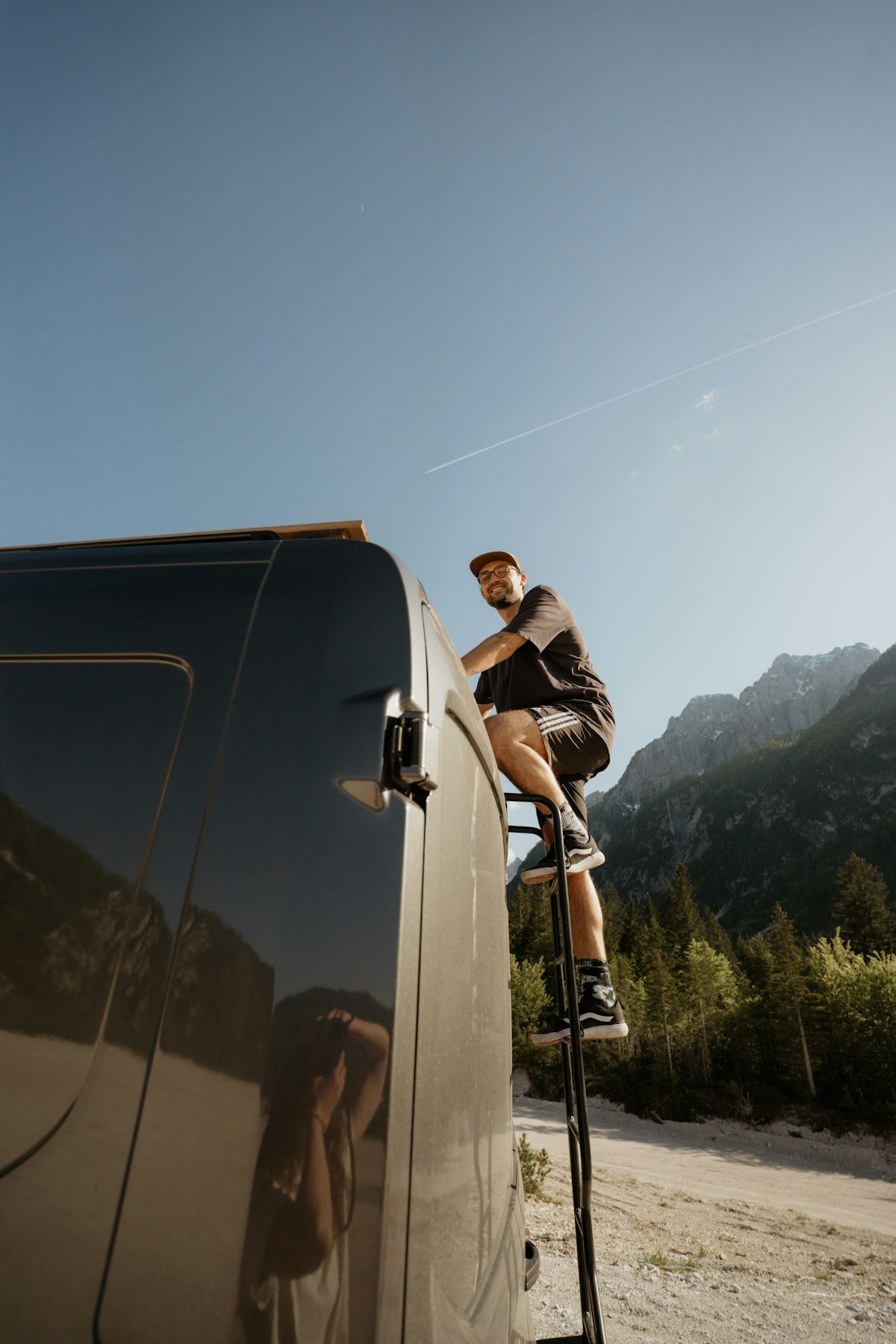
32. Protect Your Knees and Hips
Use proper steps climbing in and out. Repetition adds up.

🚛Trucking Tip #33.
From One Driver to Another
33. Adjust Before Fatigue Hits
If you feel tired, you waited too long. Plan breaks earlier.

🚛Trucking Tip #34.
From One Driver to Another
34. Use Cruise Control Wisely
Helpful on open roads, less so in busy traffic. Stay engaged.

🚛Trucking Tip #35.
From One Driver to Another
35. Respect Night Driving
Reduced visibility demands increased awareness.
🚛Trucking Tip #36.
From One Driver to Another
36. Prepare for the Unexpected
Roadworks, diversions, delays — flexibility keeps stress down.

🚛Trucking Tip #37.
From One Driver to Another
37. Stay Professional Under Pressure
Other drivers may lose their temper. You don’t need to.

🚛Trucking Tip #38.
From One Driver to Another
38. Re-check After Rough Roads
Heavy bumps loosen securement. Quick inspections prevent trouble.

🚛Trucking Tip #39.
From One Driver to Another
39. Hydration Is a Safety Tool
Dehydration slows reactions more than people realise.

🚛Trucking Tip #40.
From One Driver to Another
40. Watch the Weather Forecast
Preparation beats reaction. Weather can be unpredictable, always be prepared.
Truckers Gallery

An American trucker with Rig

DHL on the move.

The most essential gadget you will ever need as a trucker!
MAN, with the steering wheel as big as the London Eye!

The Volvo FH with some bloke stood by it!!

DAF, not my favourite truck but then I'm very particular.

RENAULT, one of the best trucks I've had the pleasure to drive.

VOLVO, these machines have come a long way in the trucking circuit.

SCANIA, one of the leading trucks manufacturers in the world.

IVECO builds durable, efficient trucks for demanding commercial transport.

MERCEDES Trucks delivers premium power, comfort, and reliability on every haul.

USB Cables: Another essential item for any HGV driver.
A dream interior for any seasoned trucker.
Welcome to the golfing side of DTG. Where the love of the game meets smart, modern guidance.
Whether you play competitively, socially, or simply for the joy of being outdoors, this space is dedicated to helping you move better, play longer, and enjoy every round. Here you’ll find insights on mobility, longevity, and the finer details that support a smoother swing and a healthier relationship with the game we all love.

The Golfers Top Tips!
⛳ Weekly Golfing Tips – Real Talk from the Fairway
Golf has given me over 25 years of enjoyment, lifelong friendships, and more lessons than I could ever count. Some I've learned the easy way... many I've learned the hard way.
Every Sunday I'll share one simple golfing tip that has helped me over the years. They won't promise miracle cures or overnight success—just practical advice to help you enjoy the game, make better decisions, and hopefully shave a few shots off your score.
Whether you're playing once a week or once a month, I hope these tips make your next round just that little bit more enjoyable.
Keep the grass between you and the sky.
Dale

⛳Golfing Tip #1.
From Fairway to the Green
1. Swing easy, play longer
You don’t win anything swinging out of your shoes. A smooth, controlled swing saves your back and joints — and usually finds more fairways too.

⛳Golfing Tip #2.
From Fairway to the Green
2. Warm up like it matters (because it does)
A few slow swings, shoulder turns, and hip movements before the first tee can be the difference between a good round and a stiff drive home.

⛳Golfing Tip #3.
From Fairway to the Green
3. Grip pressure tells the story
If your hands are strangling the club, the rest of your body is tense too. Lighten the grip, let the swing flow, and the ball will behave better.

⛳Golfing Tip #4.
From Fairway to the Green
4. Walk when you can
Golf was meant to be walked. A steady walk keeps your body loose, your head clear, and your rhythm intact — especially over 18 holes.

⛳Golfing Tip #5.
From Fairway to the Green
5. Respect recovery as much as practice
Playing sore doesn’t make you tougher — it shortens your time in the game. Look after your joints and mobility so you can keep playing for years, not just seasons.

⛳Golfing Tip #6.
From Fairway to the Green
6. Tempo Over Timing
Perfect timing comes and goes. Good tempo lasts all round. Keep it smooth and let the swing repeat itself.
⛳Golfing Tip #7.
From Fairway to the Green
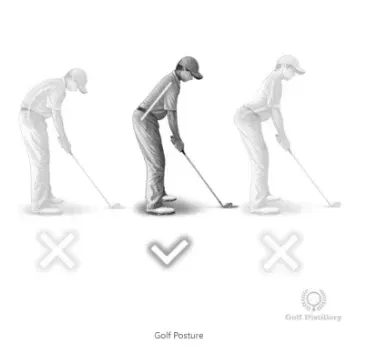
7. Posture Protects Power
Good posture saves your back and frees your swing. Stand tall, bend naturally, and let the body work as it should.

⛳Golfing Tip #8.
From Fairway to the Green
8. Less Practice, Better Focus
Quality beats quantity. A short, focused session does more than hours of mindless ball-bashing.

⛳Golfing Tip #9.
From Fairway to the Green
9. Play the Shot You Have
Forget the hero shots. Smart golf keeps the body relaxed and the scorecard tidy. Accept the lie, choose the percentage shot, and trust your decision. One sensible shot today is often worth more than one miraculous recovery you'll only pull off once in a while.

⛳Golfing Tip #10.
From Fairway to the Green
10. Walking Keeps Rhythm
If you can walk, do it. It keeps the body loose, the head clear, and the swing in sync. Walking encourages a steady tempo throughout the round, helping you arrive at each shot relaxed, focused, and ready to make your best swing.

⛳Golfing Tip #11.
From Fairway to the Green
11. Listen to Early Stiffness
That tight shoulder or sore knee is a warning, not a weakness. Listen to what your body is telling you. A proper warm-up, regular stretching, and good recovery habits will help you stay comfortable, protect your joints, and enjoy many more rounds of golf.

⛳Golfing Tip #12.
From Fairway to the Green
12. Play for Life, Not Just Today
The best golfers aren’t the strongest, they’re the ones still playing comfortably years later. Look after your body and the game stays enjoyable.

⛳Golfing Tip #13.
From Fairway to the Green
13. Play Within Yourself
Your best golf shows up when you stop forcing it. We all have limits, so use them to your advantage rather than fighting against them. Trust the game you have today, play with confidence, and let patience produce the results.

⛳Golfing Tip #14.
From Fairway to the Green
14. Short Game First
Practice around the green before heading to the driving range. Most shots during a round are played within 100 yards, so improving your chipping, pitching, and putting will lower your scores much faster than chasing extra distance.

⛳Golfing Tip #15.
From Fairway to the Green
15. Balance Before Power
A balanced finish tells you more than the ball flight sometimes does. A golfer who can finish every swing balanced is usually swinging with good rhythm, proper control, and far less tension. Balance is often the secret behind consistent golf.

⛳Golfing Tip #16.
From Fairway to the Green
16. Keep Your Head Calm
Golf punishes anger and frustration. Reset between shots, walk, breathe, and recommit to your next decision. The last shot is history—the next one is the only one that can improve your score. Stay calm, stay patient, and trust your game.

⛳Golfing Tip #17.
From Fairway to the Green
17. Club Up, Swing Easy
Taking more club and swinging smoothly is one of the simplest ways to improve consistency. Resist the temptation to hit the ball harder. Trust the extra club, stay relaxed, and let a smooth swing produce the distance you need.

⛳Golfing Tip #18.
From Fairway to the Green
18. Focus on Contact
Solid strike beats flashy technique every time. Great golf isn't about making the perfect swing—it's about making the best contact you can, time after time. Consistent ball striking will always outperform occasional brilliance.

⛳Golfing Tip #19.
From Fairway to the Green
19. Stay Patient on the Greens
Putting rewards rhythm and confidence, not aggression. Read the putt carefully, trust your chosen line, and let the putter swing naturally. Smooth, confident strokes hole far more putts than rushed, anxious ones.

⛳Golfing Tip #20.
From Fairway to the Green
20. Stretch Your Hips
Mobile hips protect your lower back and free up rotation. Good hip mobility encourages a smoother, more natural golf swing while reducing pressure on your back. A few minutes of stretching before you play can make a noticeable difference over 18 holes.

⛳Golfing Tip #21.
From Fairway to the Green
21. Play the Percentage Shot
Smart decisions lower scores more than risky ones. Leave your ego in the golf bag and choose the shot that gives you the best chance of success. One sensible decision on every hole will usually beat one spectacular shot every round.

⛳Golfing Tip #22.
From Fairway to the Green
22. Walk With Purpose
Your walk sets your rhythm. Don't rush from one shot to the next. Walk with purpose, enjoy the course around you, and arrive at each ball relaxed, focused, and ready to make your best swing.

⛳Golfing Tip #23.
From Fairway to the Green
23. Practice With Intention
Every practice swing should have purpose. Don't measure a practice session by how many balls you hit—measure it by what you've learned. Focused practice develops confidence, sharper skills, and better decisions when it matters most.

⛳Golfing Tip #24.
From Fairway to the Green
24. Respect the Wind
Control trajectory instead of fighting the conditions. The wind doesn't care how hard you swing. Stay patient, choose the right club, keep your swing smooth, and let good course management do the hard work.
⛳Golfing Tip #25.
From Fairway to the Green
25. Keep Grip Pressure Light
Tension travels from your hands through the entire swing. Grip the club with confidence, not force. Relaxed hands encourage a smoother swing, better tempo, and more consistent contact from the first tee to the eighteenth green.

⛳Golfing Tip #26.
From Fairway to the Green
26. Play the Course, Not the Ego
Take the smart option. The golf course doesn't care how far you can hit the ball. It rewards patience, sensible decisions, and knowing when to leave your ego safely in the golf bag.

⛳Golfing Tip #27.
From Fairway to the Green
27. Commit to the Shot
Doubt causes more damage than difficulty. Make your decision behind the ball, then step in with confidence and trust your swing. Golf rewards commitment far more often than hesitation.

⛳Golfing Tip #28.
From Fairway to the Green
28. Focus on Balance
A steady finish often means a steady strike. Good balance is the result of a relaxed, controlled swing. Finish every shot in control, and you'll soon notice more solid contact and greater consistency throughout your round.

⛳Golfing Tip #29.
From Fairway to the Green
29. Respect Course Conditions
Firm greens, wet fairways, and windy days are all part of the game. Instead of fighting the course, learn to play the conditions in front of you. The golfers who adapt quickest are usually the ones signing for the lowest scores.

⛳Golfing Tip #30.
From Fairway to the Green
30. Keep the Pre-Shot Routine Consistent
Whether it's one practice swing or two, picking your target or taking a deep breath, trust the same routine before every shot. Consistency before the swing often leads to consistency after it.

⛳Golfing Tip #31.
From Fairway to the Green
31. Practice Distance Control
Spend time learning the true carry distance of every club in your bag instead of trying to hit each one harder. Smart club selection and good distance control will lower your scores far quicker than brute force, giving you more confidence on approach shots and helping you make better decisions throughout your round.

⛳Golfing Tip #32.
From Fairway to the Green
32. Stay Patient After Mistakes
Control beats power. Spend time learning the true distance of every club in your bag. Good distance control leads to smarter decisions, fewer mistakes, and lower scores.
⛳Golfing Tip #33.
From Fairway to the Green
33. Strengthen Your Grip Fundamentals
A neutral grip lays the foundation for a consistent golf swing. It encourages the clubface to return square at impact, helping you hit straighter shots with less effort. Before changing your swing, always check your grip first.

⛳Golfing Tip #34.
From Fairway to the Green
34. Keep Your Swing Thought Simple
Too many ideas create tension. Before every shot, choose one simple swing thought and trust it completely. A relaxed mind creates a freer swing, better rhythm, and far more enjoyable golf than overthinking every movement.

⛳Golfing Tip #35.
From Fairway to the Green
35. Read the Green From Low Angles
See slopes others miss. Take the time to lower your viewpoint and study the green carefully before every putt. Small changes in elevation often reveal the true line, helping you choose your target with greater confidence and roll the ball with commitment.

⛳Golfing Tip #36.
From Fairway to the Green
36. Use Alignment Checks
Small misalignments create big misses. Before every shot, make sure your clubface, feet, hips and shoulders are all working towards the same target. Good alignment creates confidence, encourages a more natural swing, and helps turn good strikes into good results.

⛳Golfing Tip #37.
From Fairway to the Green
37. Respect Par
Not every hole demands heroics. Learn to value a steady par and resist the temptation to force a birdie opportunity that isn't there. Smart decisions, patient golf, and avoiding unnecessary risks often produce the best scores by the end of the round.

⛳Golfing Tip #38.
From Fairway to the Green
38. Practice Uneven Lies
Real courses aren’t flat. Golf constantly asks you to adapt, so practice the awkward lies as well as the perfect ones. Stay balanced, adjust your setup, and accept that the ball may react differently. Confidence comes from experiencing these shots before they matter
⛳Golfing Tip #39.
From Fairway to the Green
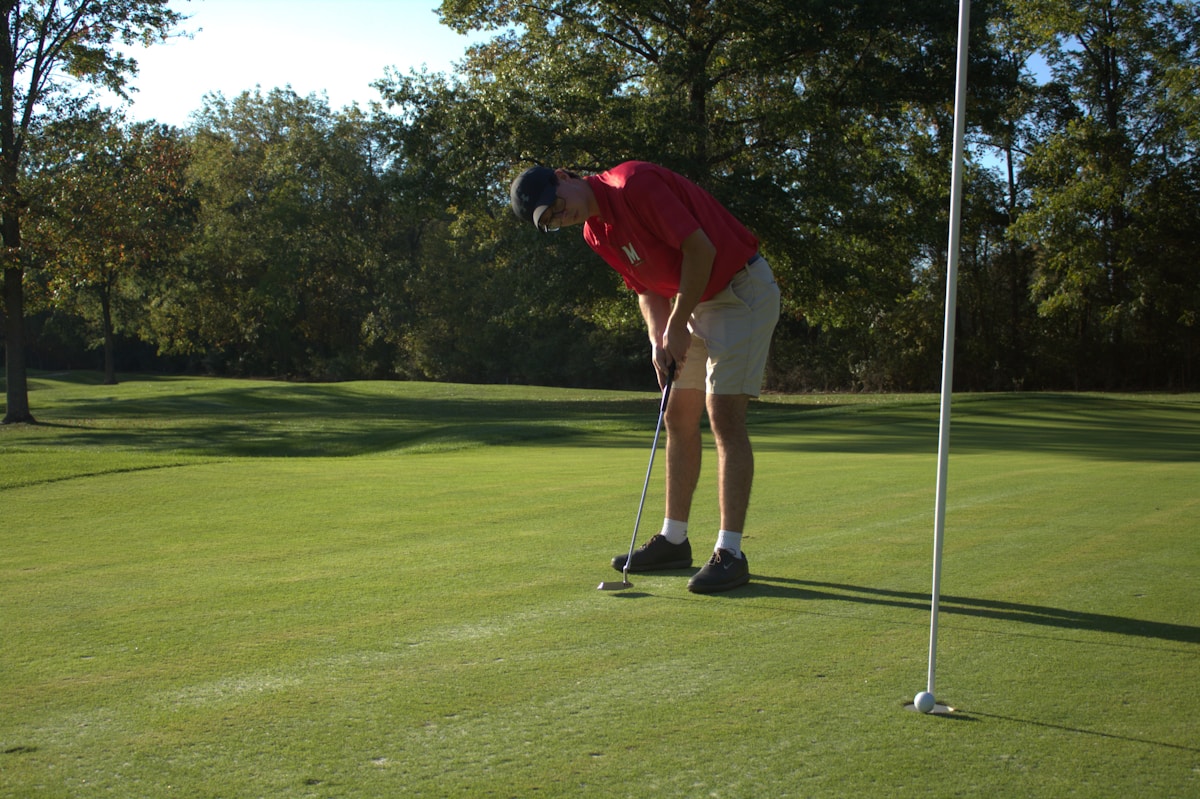
39. Short Putts Deserve Full Focus
Never rush them. Whether it's two feet or twenty, every putt deserves your attention. Keep your routine consistent, choose your line, trust your stroke, and don't let impatience turn a simple finish into an unnecessary extra shot.
⛳Golfing Tip #40.
From Fairway to the Green
40. Stretch Before Cold Rounds
Cold muscles restrict rotation. Spend five to ten minutes warming up before you tee off, especially on chilly mornings. Gentle stretches and a few easy practice swings help loosen your muscles, improve flexibility, and reduce the risk of injury. Starting your round warm and relaxed will often lead to smoother swings, better contact, and a far more enjoyable day on the course.
My Golfing Gallery

Miguel is awesome
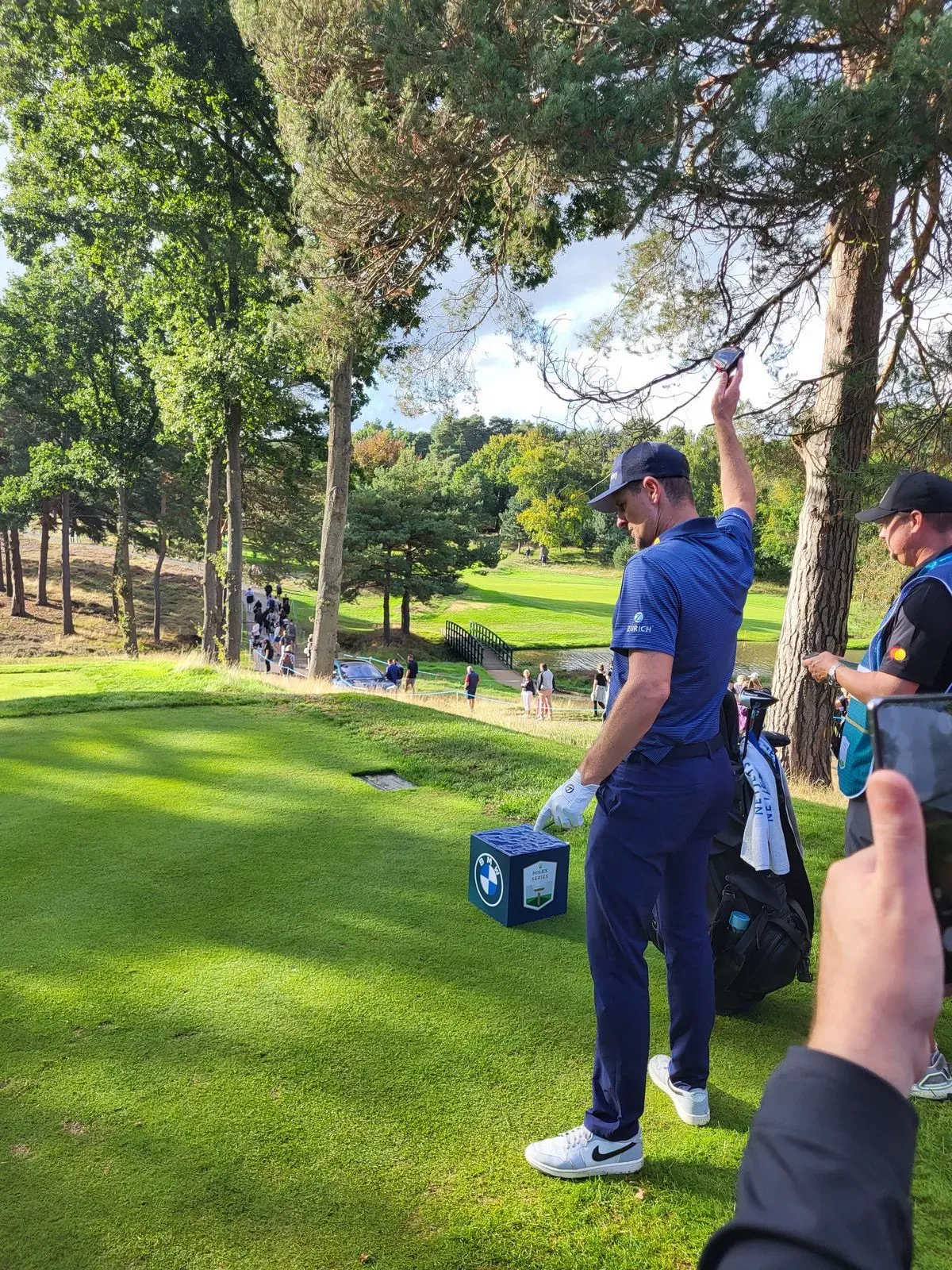
Justin at his best.

Adam & I just chillin lol

Tommy Fleetwood, always accommodating.

Local wildlife at The Nottinghamshire GC.

That's one off my bucket list. St. Andrews - The Old Course.

The clubhouse at St. Andrews, only open 1 day of the year to the public, can you guess what day that is?

One of the most photographed objects in golf, originally used for sheep crossing.

The Buenavista GC in Tenerife, Seve's course, this is a mold of his hands, bloody huge.

How the golf club has evolved over the last 600 years, probably one of the most iconic piece of sporting equipment ever invented.

The modern day golf club, shinney, sleek and bloody expensive.

Just hanging with one of my favorite golfers, Mr. Jiménez

This one takes me back a few years. The Deutsche Bank Players Championship of Europe - Jul 2007

This is the 4th time I won the shield. I've now been with The Tyrefort Golf Society for 7 years.