Gallery Guide

A Parent/Grandparents Guide
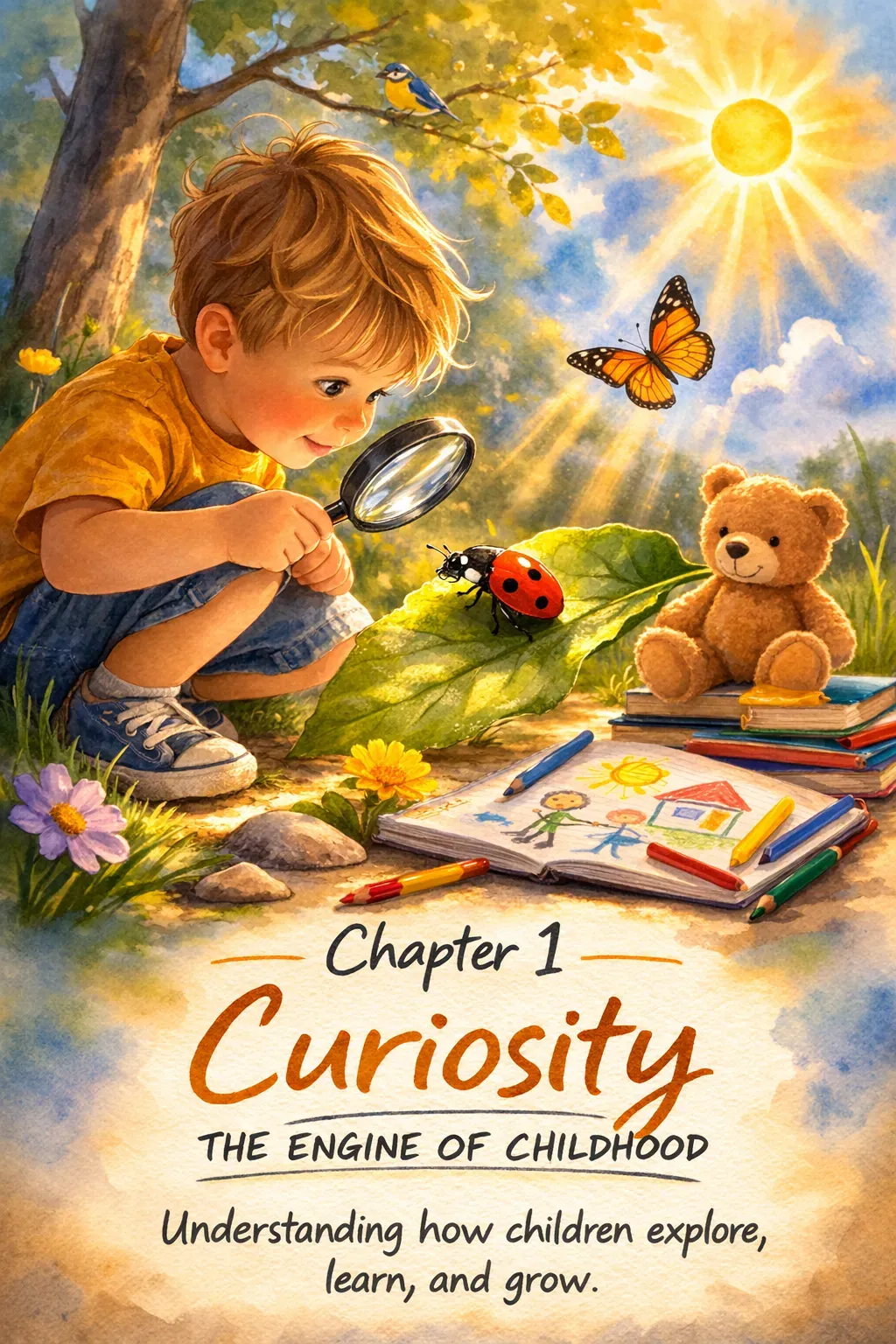
Why Curiosity Is the Engine of Childhood

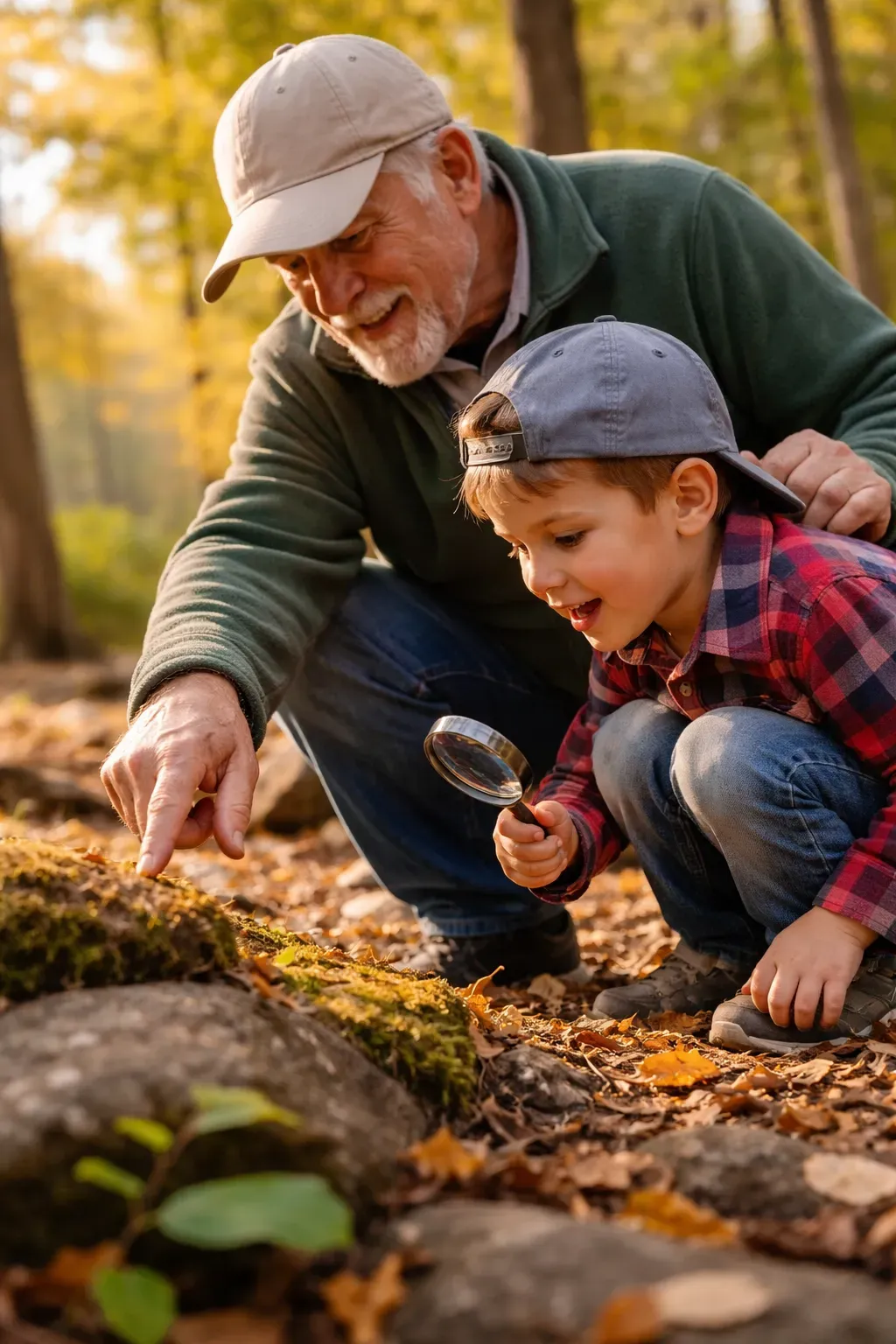
At one with nature, this will teach children how to care for the little things around them

Reading with adults gains confidence.

Outdoor play helps children develop both physically and mentally.

A carboard box, string, crayons and an imagination, can create a masterpiece.
Article 1 - Why Curiosity Is Important for Children Ages 3–10
Children are naturally curious.
From the moment they begin exploring the world around them, they ask questions about everything they see. Why is the sky blue? Where do birds go at night? Why do airplanes fly so high?
Curiosity is not simply a phase of childhood. It is the foundation of learning.
Between the ages of three and ten, curiosity drives a child’s desire to explore, experiment, and understand the world around them. When children feel free to ask questions and investigate new ideas, they develop stronger problem-solving skills and greater confidence in their ability to learn.
Why Curiosity Matters
Curiosity helps children:
• explore new ideas
• develop language skills
• build creativity
• understand how things work
A curious child is actively engaged with the world. They are not just observing their surroundings — they are trying to understand them.
Encouraging Curiosity at Home
Parents and grandparents can nurture curiosity in simple ways.
Ask questions back.
Encourage exploration outdoors.
Allow children time to experiment with toys, puzzles, and creative activities.
Sometimes the best response to a child’s question is simply:
“Let’s find out together.”
A Real-Life Moment
Curiosity is a powerful tool that children are not afraid to use, but why they have to say the same thing about 5 times is beyond me!!!
One afternoon I took my Grandson to the airport to watch the planes take off and land. For nearly an hour he asked questions (5 times on each question) about how they fly, where they go, and why some are bigger than others.
Those questions reminded me that curiosity is often the starting point for learning.
Learn More
This article is inspired by a chapter from my parenting guide:
Little Minds, Big Traits – A Parent’s Guide to Understanding Children Ages 3–10
The book explores the traits that help shape childhood, including curiosity, kindness, confidence, resilience, and creativity.
👉 You can learn more about the book here:
(Click Here)
Inspired by moments spent with my grandson.
Article 2 - Helping Children Build Confidence Through Small Wins
Confidence in children rarely appears overnight.
Instead, it develops slowly through small experiences and everyday achievements.
When children learn to tie their shoes, complete a puzzle, or solve a small problem on their own, they begin to realise something important — they are capable.
These small successes quietly build confidence.
Why Confidence Matters
Children with healthy confidence are more likely to:
• try new activities
• recover from mistakes
• express their thoughts and ideas
• approach challenges with curiosity rather than fear
Confidence does not come from being perfect. It grows when children understand that mistakes are part of learning.
Encouraging Confidence
Parents and grandparents can help build confidence by focusing on effort rather than perfection.
Instead of saying:
“You’re the best.”
Try saying:
“You worked really hard on that.”
Children begin to associate confidence with effort and persistence rather than simply winning or succeeding.
A Small Moment That Matters
One day the wind was so strong, it blew part of my front fence down, I had to work fast as light was fading, my grandson came outside with me to help, I didn't ask him for his help, he just offered it.
Each tool I asked for, he dove into my tool bag and dragged out what he thought the tool was, no matter how many times he got it wrong.
In that moment, it showed how naturally kindness can appear when children understand how their actions help others
Learn More
Confidence is one of the many traits explored in my parenting guide:
Little Minds, Big Traits
A book about the qualities children develop between the ages of 3 and 10 and how the small moments we share with them shape their future.
👉 Learn more here: Little Minds, Big Traits
Inspired by moments spent with my grandson.

Article 3 - How Children Learn by Watching the Adults Around Them
Children are always watching.
Even when we think they are not paying attention, they are quietly observing how we speak, how we react, and how we behave in everyday situations.
Between the ages of three and ten, children learn a great deal not just from what they are told, but from what they see.
They copy actions, repeat words, and mirror behaviours — often without us even realising it.
This is how children begin to understand the world around them.
Children Learn Through Observation
From a very early age, children begin to imitate the adults in their lives.
They watch how we:
• speak to others
• respond to frustration
• show kindness
• solve problems
• handle challenges
These observations become lessons.
A child who sees patience is more likely to develop patience.
A child who sees kindness is more likely to show kindness.
Children do not just listen to instructions — they study behaviour.
Actions Speak Louder Than Words
It is often said that actions speak louder than words.
For children, this is especially true.
We can tell a child to be kind, but if they see kindness in action, the lesson becomes much more powerful.
We can ask a child to stay calm, but if they watch how we handle frustration, they begin to understand what calmness looks like.
Children learn by example.
The Power of Everyday Moments
Learning does not only happen during big events or important conversations.
It happens in the small, everyday moments:
• how we react when things go wrong
• how we speak to others in public
• how we respond when we are tired or stressed
• how we treat people around us
These moments may seem small, but they are constantly shaping a child’s understanding of behaviour and relationships.
Modelling Positive Behaviour
Parents and grandparents do not need to be perfect.
Children do not expect perfection.
But they do benefit from seeing positive behaviours demonstrated regularly.
Simple actions can make a big difference:
• showing patience during difficult moments
• speaking respectfully to others
• staying calm when things do not go as planned
• admitting mistakes and learning from them
These behaviours provide children with real-life examples they can follow.
A Real-Life Observation
Spending time with my grandson has shown me just how closely children observe the adults around them.
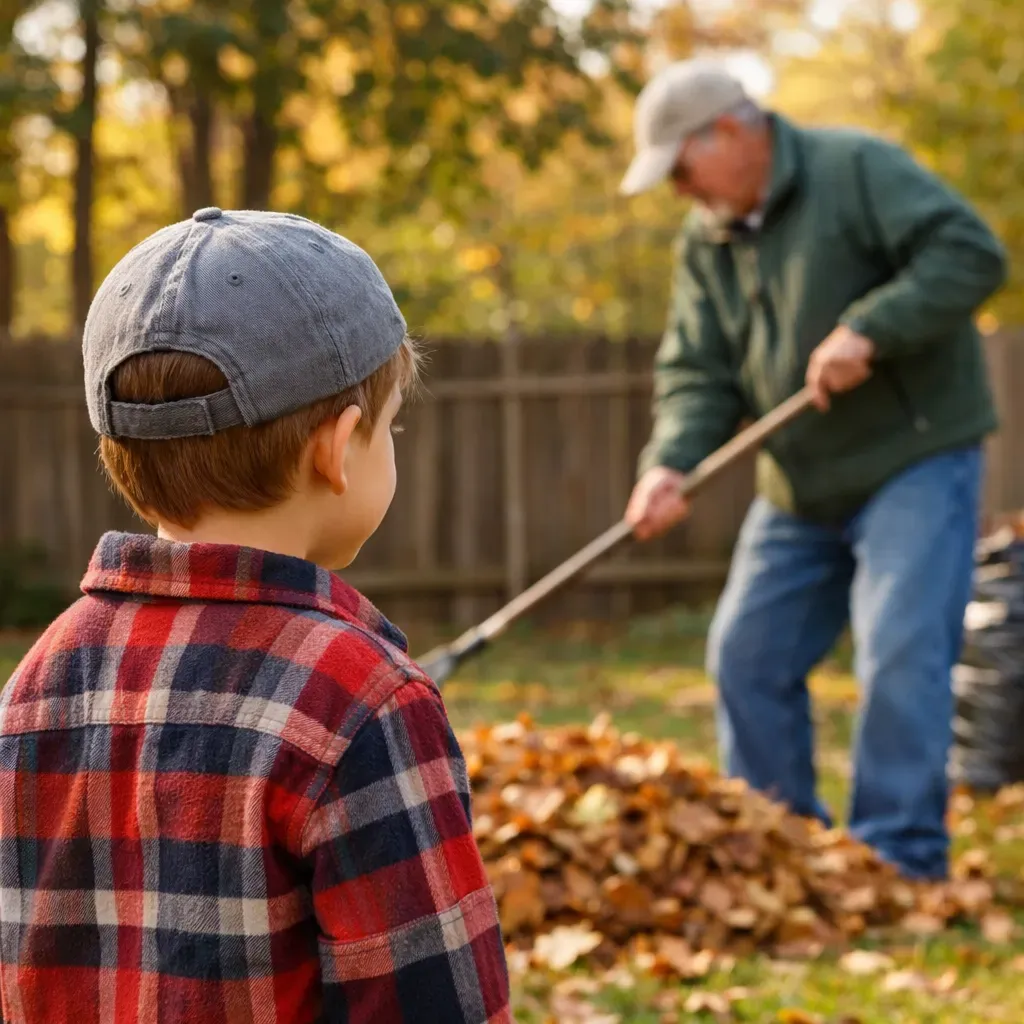
One afternoon, I was tidying up in the garden, putting tools back where they belonged. I didn’t think much of it at the time.
The next day, I noticed him picking up his toys and placing them carefully in a small pile, just as he had seen me do.
He hadn’t been told to do it.
He had simply been watching.
Moments like that remind me that children are always learning, even when we are not actively teaching.
What This Means for Parents
Understanding that children learn through observation can help us become more aware of our own actions.
It is not about being perfect.
It is about being mindful.
Everyday behaviour becomes a quiet lesson.
When children see positive actions repeated over time, those behaviours begin to feel natural to them.
Final Thoughts
Children learn far more from what we do than what we say.
By modelling patience, kindness, respect, and resilience in our own lives, we give children a powerful example to follow.
The small moments — the way we respond, speak, and act — often become the lessons that stay with them.
Because in the end, children are not just listening.
They are watching.
From the Book Little Minds, Big Traits
This article is inspired by my parenting guide Little Minds, Big Traits, which explores the key traits children begin developing between the ages of 3 and 10.
Through simple insights and real-life observations, the book highlights how everyday moments help shape confidence, curiosity, kindness, and resilience.
👉 You can learn more about the book here: Little Mind, Big Traits
Article 4 - Why Outdoor Play Is Important for Young Children
In today’s world, it is easy for children to spend more time indoors than ever before.
Screens, toys, and structured activities can fill a child’s day, but one of the most valuable experiences for young children is often the simplest — time spent outdoors.
Between the ages of three and ten, outdoor play plays an important role in a child’s development. It encourages curiosity, movement, creativity, and a deeper connection with the world around them.
Sometimes, the best classroom is simply the outdoors.
Why Outdoor Play Matters
Outdoor play helps children develop both physically and mentally.
When children spend time outside, they naturally begin to:
• explore their surroundings
• develop coordination and balance
• build confidence through movement
• use their imagination in new ways
Running, climbing, jumping, and exploring all contribute to a child’s overall development.
Outdoor environments also provide something that indoor spaces often cannot — freedom.
Encouraging Curiosity and Exploration
Nature is full of opportunities for learning.
A walk through the park can lead to questions about trees, birds, insects, and the changing seasons.
Children begin to notice small details:
• the sound of leaves under their feet
• the movement of clouds
• the way the wind affects trees
These observations naturally encourage curiosity.
And as we know, curiosity is one of the most important traits in early childhood development.
Building Confidence Through Movement
Outdoor play allows children to test their abilities.
Climbing a small hill, balancing on a log, or running across a field helps children understand what their bodies can do.
Each small achievement builds confidence.
Unlike structured activities, outdoor play often allows children to take risks in a safe and natural way.
They learn through experience.
The Power of Unstructured Play
Not every activity needs to be planned.
In fact, some of the most valuable experiences come from unstructured play.
When children are given the freedom to explore, they begin to:
• create their own games
• use their imagination
• make decisions independently
A stick can become a sword.
A patch of grass can become a football pitch.
A simple walk can turn into an adventure.
A Real-Life Observation
Spending time outdoors with my grandson has shown me just how much children benefit from being outside.
Whether we are at the park, walking through open space, or simply watching planes overhead, there is always something new for him to notice.
The questions come naturally.
The energy is endless.
And the enjoyment is clear.
Those moments remind me that children do not need complicated activities to learn and grow.
Sometimes, they just need space to explore.
Making Outdoor Time Part of Your Routine
Outdoor play does not need to be complicated.
Simple ideas include:
• visiting the local park
• going for a walk
• playing simple games outside
• exploring new environments
Even short periods of time outdoors can have a positive impact.
Consistency matters more than duration.
Final Thoughts
Outdoor play is more than just a way for children to burn off energy.
It is an opportunity for them to explore, learn, and grow.
By giving children time and space to experience the outdoors, we help them develop confidence, curiosity, and creativity — traits that will benefit them throughout their lives.
Sometimes the simplest moments — a walk, a game, or a shared experience outside — can become the most meaningful.
From the Book Little Minds, Big Traits
This article is inspired by my parenting guide Little Minds, Big Traits, which explores the key traits children develop between the ages of 3 and 10.
Through simple insights and real-life observations, the book highlights how everyday experiences help shape confidence, curiosity, kindness, and resilience.
👉 You can learn more about the book here:
Little Minds, Big Traits